[gptRewrite the article in a friendly tone, make the article unique, and update the headline: Collagen Supplements Won’t Erase Your Wrinkles. Here’s What They Will Do.
Let me be straight with you.
The collagen supplement market is worth billions. The promises are everywhere: fewer wrinkles, plumper skin, stronger nails, glossy hair. And if you’re a woman in her 30s, 40s, or 50s, these promises are aimed directly at you.
But here’s what most of those brands won’t tell you: if you’re vegan, almost every collagen supplement on the market isn’t made for you. And even if you’re not vegan, the science behind collagen supplementation is far murkier than the marketing suggests.
There’s also a deeper question worth asking: why are we reaching for supplements in the first place? What are we really trying to fix, and who told us it needed fixing?
This article is going to answer all of that. No hype, no false promises. Just the honest picture.
Why most people want collagen supplements (and why that reason matters)

Be honest with yourself for a moment.
When you search for collagen supplements, what are you really hoping for? Fewer lines? Skin that looks the way it did ten years ago? Approval, maybe? A feeling that you’re doing something to fight what the beauty industry has spent decades telling us is a battle worth fighting?
I’m not judging. I’ve been there too.
But chasing a supplement to erase wrinkles so other people will find you more attractive — that’s a different motivation from wanting healthy, well-nourished, resilient skin. And it matters, because one of those goals is achievable. The other isn’t.
No supplement will make you look 25 again. That’s not how skin biology works. But supporting your skin’s health — its barrier function, its elasticity, its ability to repair itself — that is absolutely possible. And that’s what this article is about.
What collagen actually is (and where it comes from)
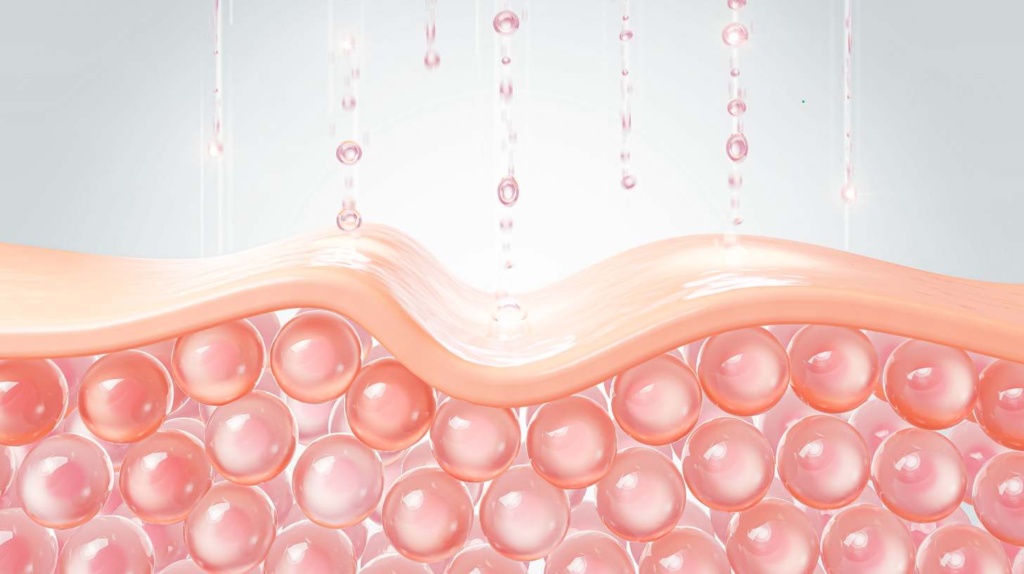
Collagen is a structural protein. It’s the scaffolding that holds your skin firm and smooth. It makes up around 80% of your skin’s dry weight and is responsible for that plump, elastic quality we associate with younger-looking skin.
Your body makes collagen continuously, or at least, it does when it has what it needs. From your mid-20s onwards, collagen production naturally slows, by around 1% per year. By the time you’re in your 40s and 50s, that gradual decline becomes visible. Lines form. Skin thins. Elasticity softens.

Here’s the thing no one talks about clearly enough: collagen is always animal-derived.
Always.
It’s extracted from cow hides, fish scales, pig bones, chicken cartilage. Every collagen supplement on the market, unless it says “collagen booster” or “collagen builder”, is made from an animal.
And if you’re vegan that’s a hard no.
You may have seen products marketed as “vegan collagen.” This is worth unpacking, because it’s misleading. What those products usually contain are collagen precursors, the nutrients your body uses to build its own collagen. The collagen itself is NOT in the bottle.
I’ll come back to those precursors, because they’re actually the most useful thing here.
Do collagen supplements even work? The honest science
The research on collagen supplements is interesting, but it’s also nowhere near as solid as brands would have you believe.
Some studies do show that taking hydrolysed collagen (broken-down collagen peptides) can improve skin hydration and elasticity, and may reduce the appearance of fine lines. A 2019 review in the Journal of Drugs in Dermatology looked at 11 studies and found promising results for skin ageing.
But there are catches, and they’re important.
First: most of these studies are small, short-term, and funded by supplement companies. That’s not automatically a reason to dismiss them, but it’s a reason to stay sceptical.
Second: when you swallow a collagen supplement, your digestive system breaks it down into amino acids, the same amino acids found in any protein-rich food. Your body then uses those amino acids wherever it needs them, which may or may not be your skin.
Third: the doses used in studies are often much higher than what you’d find in a typical supplement, and the results, where they exist, show modest improvements, not dramatic transformation.
So yes, there may be some benefit. But you’re not going to drink a scoop of collagen powder and wake up with different skin.
The nature-aligned approach: working with your body, not around it

Here’s my core philosophy, and it runs through everything I write about at Oh Mighty Health:
Your body is not broken. It doesn’t need to be tricked, bypassed, or overloaded with isolated compounds. It needs the right conditions to do what it already knows how to do.
Your skin has been making collagen your whole life. It hasn’t forgotten how. The question is whether you’re giving it the raw materials and the environment it needs to keep doing that job well.
That’s a fundamentally different question from “which supplement should I buy?”
Think of your skin like a garden. You don’t pour a synthetic growth formula on wilting plants and expect a miracle. You look at the soil, the water, the light. You remove what’s stressing the plants. You give them what they were always meant to have.
That’s the approach that works. Not just for your skin, but for your health overall.
And the good news? It’s mostly free, or close to it.
What actually supports your skin’s collagen production
These are the things that genuinely make a difference — backed by evidence, aligned with how your body works, and accessible without a supplement budget.
Vitamin C
This is non-negotiable for collagen synthesis. Your body cannot make collagen without it. Vitamin C is a cofactor in the enzymes that stabilise the collagen molecule — without it, the structure literally doesn’t hold together properly.
Food sources: citrus fruits, bell peppers, kiwi, broccoli, strawberries. Topically, a good vitamin C serum can also support collagen in the skin directly.
Silica
Silica is a mineral that plays a key role in collagen formation and skin elasticity. It’s found in oats, bananas, green beans, and horsetail (as a tea or supplement). Some studies suggest it can improve skin texture and reduce fine lines.
Zinc
Zinc is another mineral your body needs for collagen synthesis, and many people are mildly deficient without realising it. Food sources: pumpkin seeds, hemp seeds, lentils, chickpeas, cashews.
Amino acids from plant protein
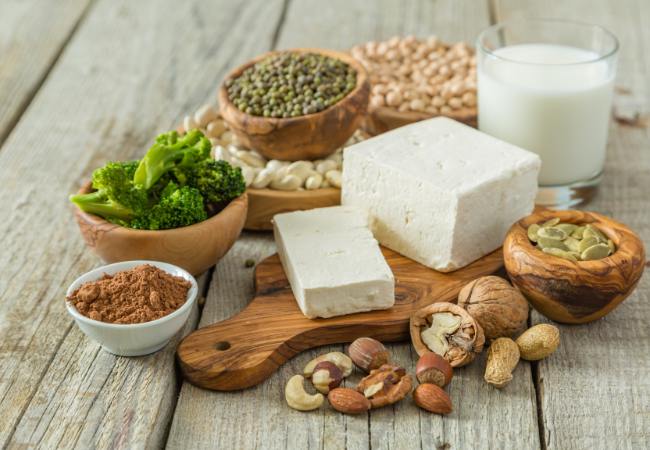
Collagen is made from specific amino acids, particularly glycine, proline, and hydroxyproline. You don’t need to eat collagen to get them, your body can synthesise what it needs from a varied, protein-rich plant-based diet. Legumes, tofu, tempeh, nuts, seeds, and wholegrains all contribute.
Sleep
This is where your body actually repairs itself. Growth hormone, which supports tissue repair including collagen synthesis, is released primarily during deep sleep. Chronic poor sleep accelerates skin ageing more reliably than almost any dietary factor.
Sun protection
UV radiation is the single biggest external driver of collagen breakdown. Not just sunburn — daily cumulative UV exposure. A daily SPF is not a cosmetic choice; it’s a skin health decision.
Stress management
Chronically elevated cortisol breaks down collagen. This is direct, documented, and often underestimated. If you’re sleeping badly, running on stress, and skipping meals, no supplement is going to undo that.
The plant-based products worth considering
If you want to go beyond food and lifestyle, here are a few evidence-leaning options that are fully vegan and genuinely useful.
Bakuchiol

Bakuchiol is a plant-derived retinol alternative from the babchi plant. Studies show it stimulates collagen production and improves the appearance of fine lines and elasticity, without the irritation retinol often causes. If you’re looking for a topical that supports your skin’s structure, this is the one I’d reach for first. (get it here)
Rosehip oil
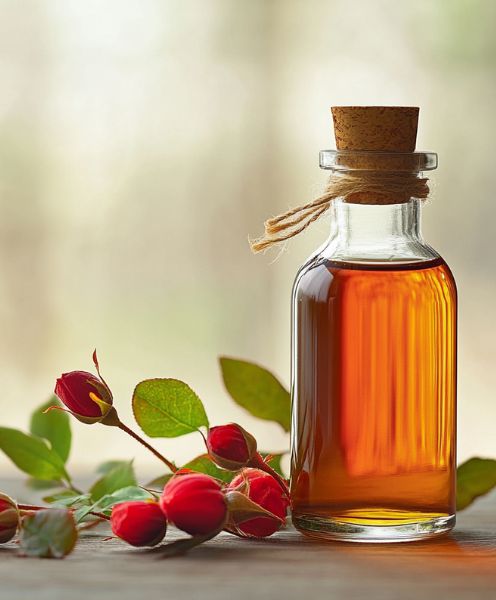
Rich in vitamin C and trans-retinoic acid, rosehip oil has been shown to improve skin elasticity and reduce the appearance of scars and fine lines. It’s one of the few carrier oils with genuine evidence behind it for skin ageing. (get it here)
Vitamin E
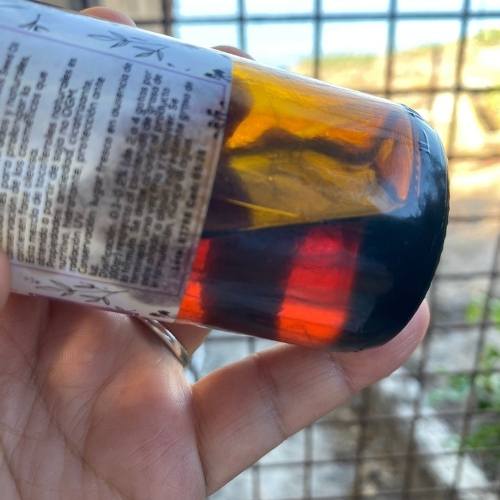
A powerful antioxidant that protects collagen from oxidative damage. Best used topically alongside vitamin C, which it works synergistically with. (get it here)
Squalane

Derived from plant sources (usually sugarcane or olives), squalane mimics your skin’s natural sebum and helps maintain the barrier that keeps moisture in and irritants out. A well-functioning skin barrier is the foundation for everything else. (get it here)
Frankincense essential oil
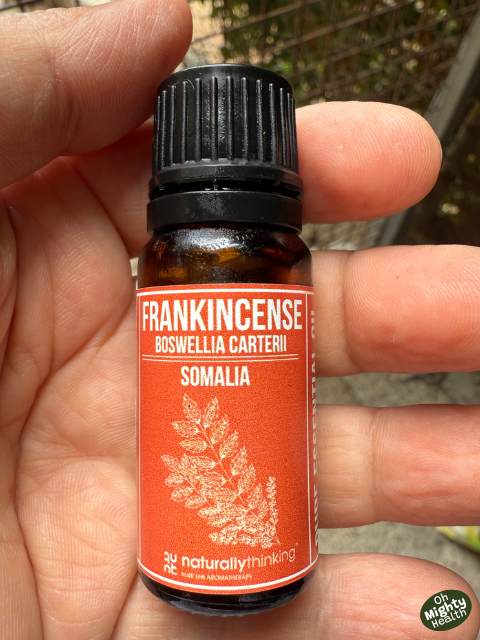
Used for centuries for skin health, frankincense has anti-inflammatory properties and some evidence for supporting skin cell regeneration. Always dilute in a carrier oil before applying. (get it here)
Vegan hyaluronic acid serum
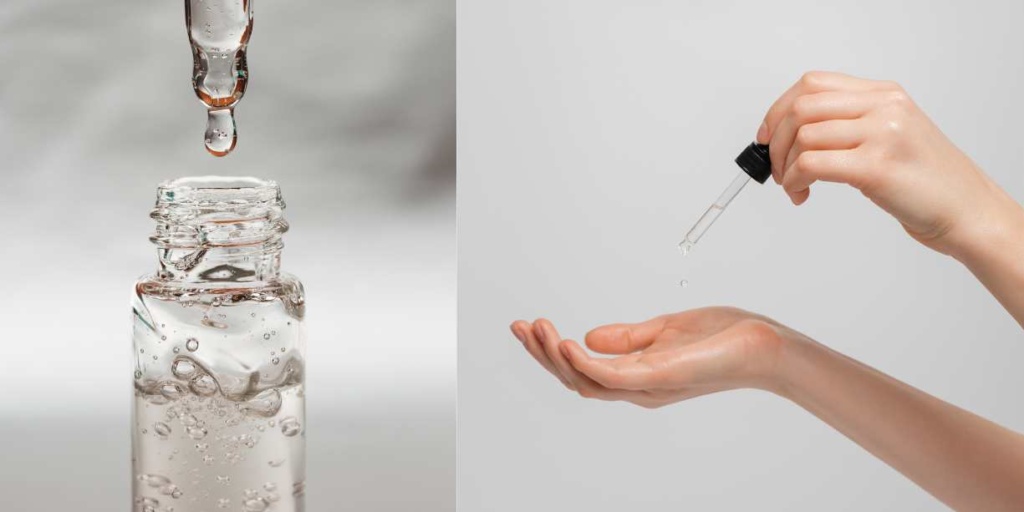
Hyaluronic acid doesn’t build collagen directly, but it holds up to 1,000 times its weight in water, keeping skin plump and hydrated. Well-hydrated skin is more resilient and ages better. Make sure you choose a vegan formula. (get it here)
What does a simple daily routine look like?
If you want a place to start, this is what a skin-supportive, collagen-friendly day looks like in practice:
- Morning: cleanse gently, apply a vitamin C serum, follow with SPF
- Evening: cleanse, apply rosehip oil or bakuchiol, add a drop of frankincense if you like
- Throughout the day: eat a varied plant-based diet, drink enough water, get outside for natural light
- Non-negotiables: sleep, stress reduction, and sun protection — consistently
For more on building a routine that actually works, take a look at my guide on Your Skin Needs Less: The Simple Natural Face Routine That Works.
And if you’re working with dry or mature skin, my basic skin care routine for glowing skin walks you through the minimalist approach I actually use myself.
A word on wrinkles
I want to say this clearly, because I think it matters.
Wrinkles are not a problem. They are not a failure. They are what happens to a face that has lived, expressed emotion, felt sunlight, smiled.
The beauty industry has spent decades convincing us that ageing skin is skin in need of fixing. That’s not a health message. That’s a sales pitch.
Caring for your skin because you want it to be healthy, comfortable, well-nourished, and resilient — that’s a completely different motivation. And that motivation is worth supporting.
But caring for your skin because you’re afraid of looking old, or because you want approval, or because Instagram has made you feel like your natural face isn’t enough? That’s worth questioning.
You deserve better than that. And so does your skin.
The bottom line
Collagen supplements won’t erase your wrinkles. For most vegans, they’re not an option anyway. And the honest science suggests that what they do offer is modest at best.
What does work: giving your body the nutrients it needs to build its own collagen, protecting it from the things that break collagen down, and building a simple, consistent routine with evidence-backed ingredients.
No gimmicks. No capsules. No before-and-after promises.
Just your body, doing what it was always designed to do — with a little help from you.
Love,
Patri xx
Resources
- Choi FD, Sung CT, Juhasz ML, Mesinkovska NA. Oral Collagen Supplementation: A Systematic Review of Dermatological Applications. J Drugs Dermatol. 2019;18(1):9-16.
- Pullar JM, Carr AC, Vissers MCM. The Roles of Vitamin C in Skin Health. Nutrients. 2017;9(8):866.
- Proksch E, Segger D, Degwert J, Schunck M, Zague V, Oesser S. Oral supplementation of specific collagen peptides has beneficial effects on human skin physiology: a double-blind, placebo-controlled study. Skin Pharmacol Physiol. 2014;27(1):47-55.
- Draelos ZD. Aging skin: the role of diet: facts and controversies. Clin Dermatol. 2010;28(3):377-80.
- Dhaliwal S, et al. Prospective, randomized, double-blind assessment of topical bakuchiol and retinol for facial photoageing. Br J Dermatol. 2019;180(2):289-296.
[/gpt3]